
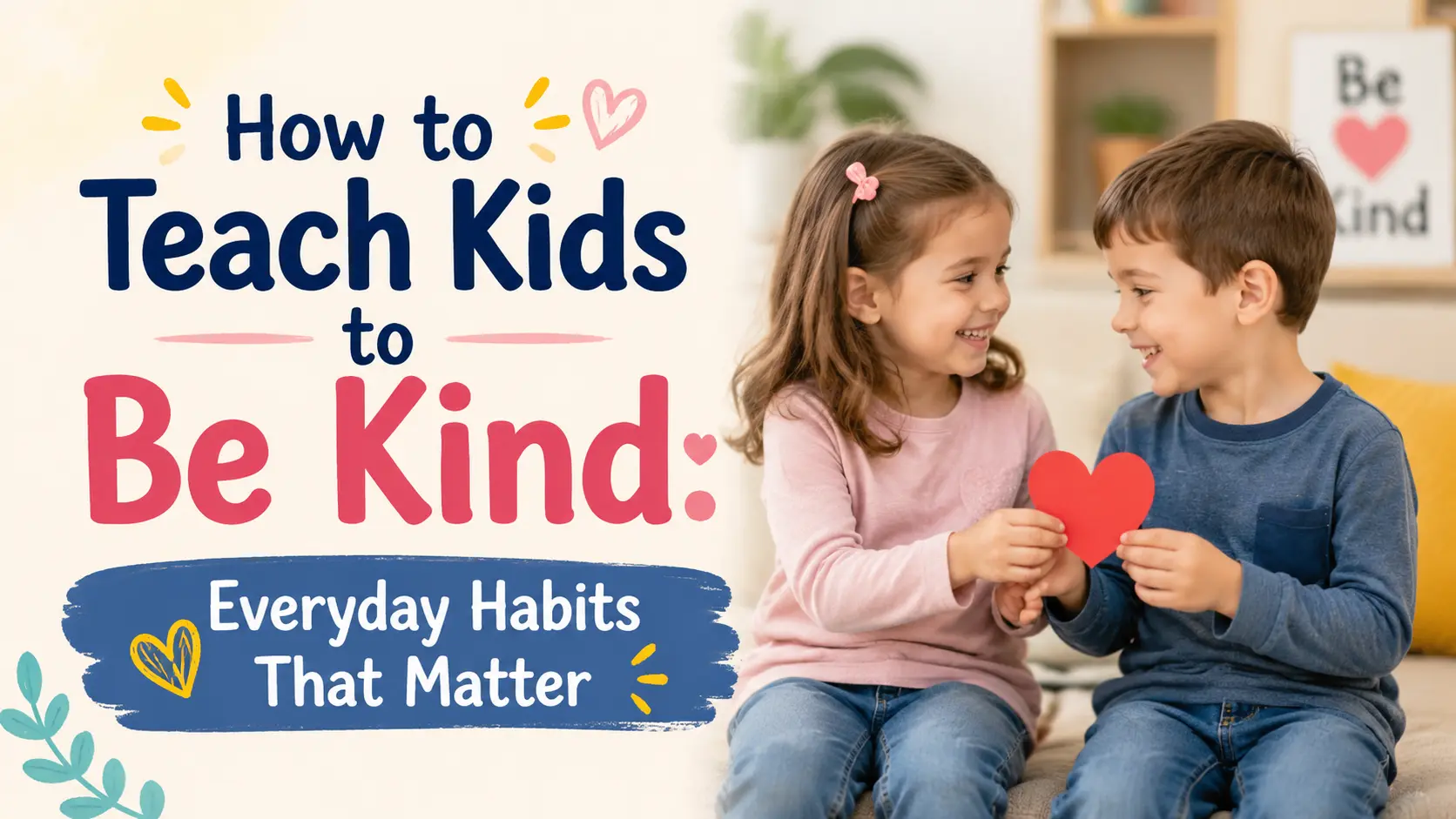
Kindness is one of the most important life skills a child can learn. It shapes how they treat others, how they handle emotions, and even how they see the world. But kindness isn’t something children automatically know; it’s something they learn through example, practice, and daily habits.
Many parents often ask the same question: how to teach kids to be kind in a natural, meaningful way without forcing it?
The truth is, kindness doesn’t come from big lectures. It comes from small, everyday moments repeated over time. When children see kindness, experience it, and practice it regularly, it becomes part of who they are.
In this blog, we’ll explore practical, real-life strategies on how to teach kids to be kind, using simple habits that fit into everyday life at home, school, and beyond.
Why Kindness Matters in a Child’s Development
Before we look at how to teach kindness to kids, it’s important to understand why kindness matters so much.
Kindness helps children:
- Build strong friendships
- Develop emotional intelligence
- Reduce aggressive behavior
- Improve confidence and self-esteem
- Become more socially aware
Research shows that children who regularly practice kindness are more likely to become emotionally stable and socially responsible adults. Kindness also improves classroom behavior and helps create healthier peer relationships.
That’s why teaching kindness is not just a moral goal; it’s a life skill.
When parents focus on values to teach kids, kindness always sits at the top of the list because it influences every other value.
1. Start by Modeling Kindness in Everyday Life
One of the most powerful ways to understand how to teach kids to be kind is to begin with your own behavior. Children are naturally observant, and they learn far more from what they see than from what they are told. This means your everyday actions play a huge role in shaping how they understand kindness. When children see you speaking politely to others, helping someone in need, staying calm during stressful situations, or using words like “thank you” and “sorry,” they begin to absorb these behaviors as normal.
Over time, these small but consistent actions become part of how children view the world. They start to imitate what they observe because, for them, parents are the first and most trusted role models. This is why teaching your kids values always begins with self-awareness. The way you treat others sets the foundation for how your child will treat people in their own life.
Even the smallest daily moments matter more than we often realize. Something as simple as holding the door open for someone, greeting people warmly, or speaking respectfully to service workers quietly teaches children what kindness looks like in action. These everyday experiences may seem minor, but they leave a lasting impression on a child’s developing understanding of respect, empathy, and kindness.
2. Make Kind Words a Daily Habit
Words hold incredible power, especially in a child’s world where communication skills are still developing. One of the simplest yet most effective answers to how to teach kindness to kids is to encourage the consistent use of kind and respectful language in everyday conversations. When children learn to express themselves kindly, it shapes not only how others perceive them but also how they perceive others.
You can begin by gently teaching your child to use simple but meaningful phrases such as “please,” “thank you,” “you did a great job,” and “are you okay?” At first, children may repeat these words because they are encouraged to do so, without fully understanding their meaning. However, with time and repetition, they begin to connect these words with real emotions and situations. They start to realize that kind words can make someone feel appreciated, valued, or comforted.
Encouraging kind communication is one of the most impactful values to teach kids, because it directly influences how they interact with family members, friends, teachers, and even strangers. It helps build a foundation of respect and empathy in their daily interactions.
3. Teach Empathy Through Everyday Situations
Empathy is the heart of kindness. Without understanding how others feel, kindness becomes just a habit, not a mindset.
If you’re learning how to teach kids to be kind, start by helping them recognize emotions in daily life.
For example:
- If a friend is upset, ask your child, “How do you think they feel?”
- If someone falls, ask, “What would you want someone to do for you?”
These small questions help children think beyond themselves.
When children learn empathy, they naturally begin to develop stronger emotional awareness. This becomes a core part of teaching your kids values that last a lifetime.
4. Encourage Small Acts of Kindness Every Day
Kindness doesn’t have to be big or dramatic. In fact, small actions are often more powerful.
Some simple daily habits include:
- Sharing toys
- Helping a sibling
- Saying something nice to a classmate
- Helping set the table
- Including someone in play
These small actions are practical ways of learning how to teach kindness to kids without pressure.
You can even create a “kindness jar” where children add a note every time they do something kind. At the end of the week, you can read them together.
This reinforces positive behavior and builds consistency.
5. Read Stories That Highlight Kindness
Books are one of the most effective and enjoyable tools for teaching values to children. Stories allow kids to see kindness in action through relatable characters, real-life situations, and meaningful choices. Instead of simply telling children what is right or wrong, stories show them how kindness works in different contexts.
When children read about characters who help others, share, apologize, or show empathy, they begin to understand the importance of these actions naturally and engagingly. This makes storytelling a powerful method for how to teach kids to be kind, because it connects emotional learning with imagination and real-life understanding.
When children engage with stories about kindness, they also start to recognize the consequences of actions, understand different emotional responses, and relate deeply to the characters’ experiences. After reading, it becomes very helpful to continue the learning through simple conversations.
You can ask questions like, “What kind of thing did the character do?” or “What would you have done in that situation?” These gentle discussions turn reading time into meaningful learning moments and strengthen the lessons even further. Over time, this habit becomes a natural and effective way of reinforcing how to teach kids to be kind through everyday storytelling and reflection.
6. Praise Kind Behavior, Not Just Results
When children show kindness, even in small ways, acknowledge it.
Instead of only praising achievements like grades or performance, also say:
- “I saw how you helped your friend; that was very kind.”
- “That was really thoughtful of you.”
This teaches children that kindness is valuable and appreciated.
Positive reinforcement plays a key role in values to teach kids, because children repeat behaviors that are recognized and appreciated.
Over time, kindness becomes something they are proud of, not something they are told to do.
7. Teach Respect for Others’ Differences
A big part of kindness is learning to respect people who are different from us.
Children should understand that:
- Not everyone thinks the same way
- People come from different backgrounds
- Differences are something to appreciate, not judge
When teaching how to teach kindness to kids, include conversations about diversity, inclusion, and acceptance.
This helps children grow into open-minded individuals who treat others with fairness and respect.
8. Use Real-Life Mistakes as Teaching Moments
Children will not always be kind, and that’s okay. Mistakes are part of learning.
Instead of punishment, use these moments as teaching opportunities:
- Ask what happened
- Discuss how others might have felt
- Guide them toward better choices
This approach is a gentle and effective way of teaching your kids values without creating fear or guilt. It helps children understand consequences and learn from their behavior.
9. Create Family Kindness Routines
Family kindness routines are a simple and effective way to make kindness a natural part of everyday life. When kindness is built into daily or weekly habits, children begin to see it as something normal rather than something they are told to do.
Activities like sharing one kind thing at dinner, helping each other with small chores, or setting weekly kindness goals help children actively think about their behavior and the impact they have on others. These small routines make how to teach kids to be kind more practical and consistent in real-life settings.
Over time, these shared family practices create a strong foundation of values and connection. When families volunteer together or celebrate acts of kindness, children learn that kindness is not limited to the home; it extends into the wider world. This approach reinforces how to teach kids to be kind in a structured yet enjoyable way, making it easier for children to carry these habits into school, friendships, and everyday interactions.
10. Teach Gratitude Alongside Kindness
Gratitude and kindness go hand in hand.
When children learn to appreciate what they have, they naturally become more generous and kinder toward others.
Simple gratitude practices include:
- Saying thank you daily
- Writing gratitude lists
- Talking about good moments of the day
This strengthens emotional awareness and supports values to teach kids in a meaningful way.
Why Consistency Matters Most
Kindness is not learned in a day. It develops slowly through repetition and consistency.
If you want to understand how to teach kindness to kids, remember:
- Small actions matter more than big lessons
- Daily habits are more powerful than occasional talks
- Children learn best through repetition
- Over time, these small efforts shape a child’s personality and behavior.
- That’s the true power of teaching your kids values consistently.
Bottom Line
Teaching kindness is one of the most meaningful and lasting gifts you can give a child. It doesn’t require perfect parenting or complicated strategies, just simple, consistent habits practiced every single day in real-life situations. When children see kindness modeled at home, hear it in conversations, and practice it in their daily interactions, it slowly becomes a natural part of who they are. Over time, these small moments add up and shape how they think, behave, and treat others.
When you focus on how to teach kids to be kind, you are doing much more than guiding behavior; you are shaping character, emotional strength, and lifelong values. Kindness becomes a foundation that helps children build better relationships, handle challenges with empathy, and grow into compassionate individuals. And once kindness becomes part of their identity, it stays with them for life, influencing every stage of their personal and social development.
Frequently Asked Questions
- What is the best way how to teach kids to be kind?
The best way is through consistent daily habits, positive role modeling, and encouraging children to practice kindness in real-life situations. Children learn best when they see kindness demonstrated and are gently guided to repeat those actions themselves.
- How to teach kindness to kids at home?
You can teach kindness at home by showing respectful behavior, using kind and positive language, and appreciating thoughtful actions when your child shows them. Creating a supportive and loving environment also helps children naturally understand how to be kind.
- What are the important values to teach kids?
Some of the most important values to teach kids include kindness, honesty, empathy, respect, gratitude, and responsibility. These values help children develop strong character and guide them in making good decisions throughout life.
- Why is teaching your kids values important?
Teaching your kids values is important because it helps them grow into emotionally aware, responsible, and respectful individuals. These values shape how they interact with others and influence their long-term personal and social development.
- Can kindness really be taught to children?
Yes, kindness can absolutely be taught through consistent practice, real-life examples, and positive reinforcement. When children experience kindness regularly, they naturally begin to adopt it as part of their own behavior and personality.