
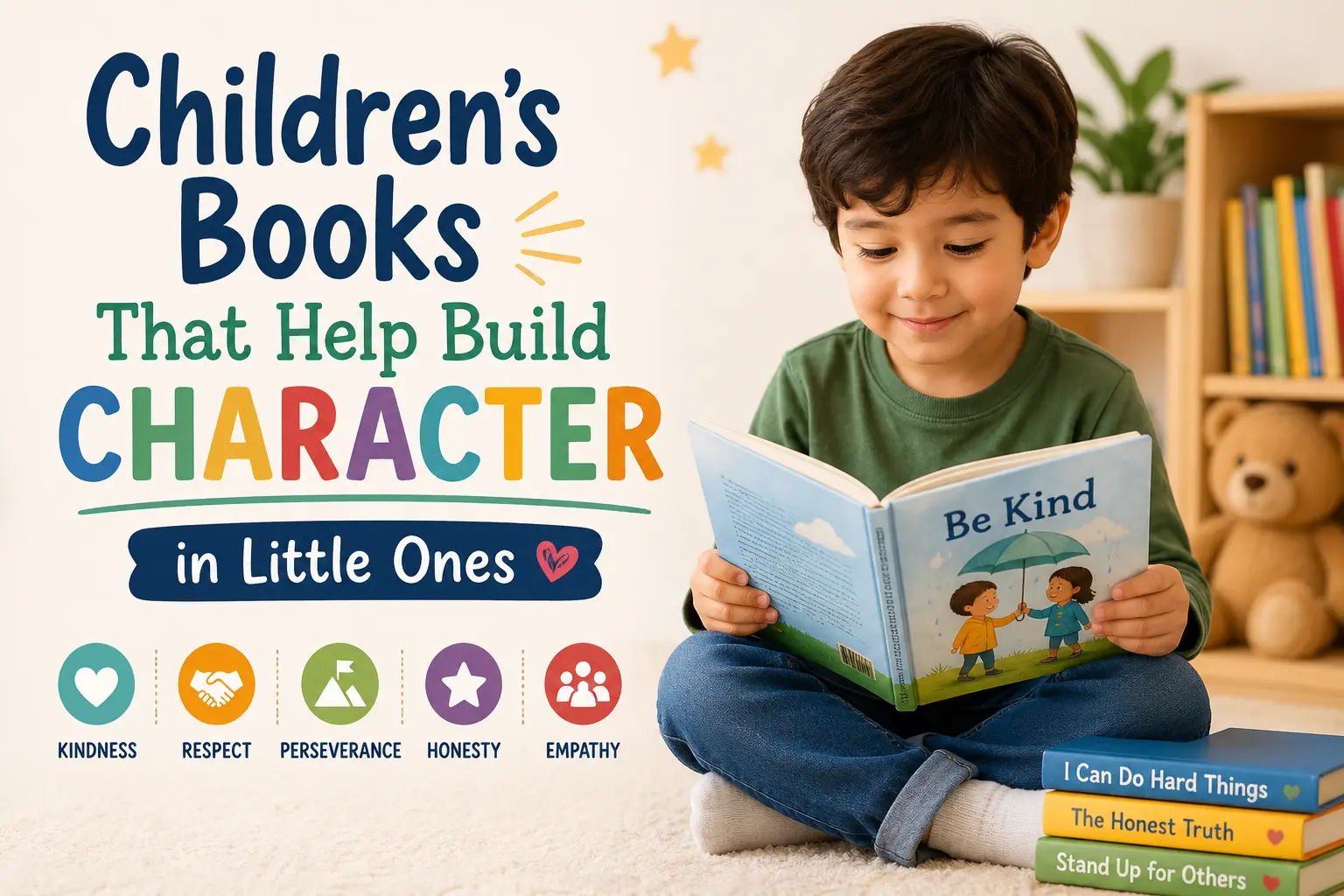
Raising kind, confident, and emotionally strong children is something every parent hopes for. But in a world full of distractions, screens, and mixed messages, teaching values like kindness, honesty, and resilience can feel overwhelming.
This is where children’s books that help build character come in.
Stories are powerful. They shape how children think, feel, and understand the world around them. A simple story about sharing, courage, or empathy can leave a lasting impression, sometimes more than lectures or rules ever could.
In this blog, we’ll explore how children’s books that build character influence young minds, why they matter, and which stories can help your child grow into a thoughtful and compassionate individual.
Why Character-Building Matters in Early Childhood
Character isn’t something children are born with; it’s something they learn over time. From their environment, experiences, and most importantly, stories.
Books introduce children to real-life situations in a safe and engaging way. Through characters, they learn:
- What it means to be kind
- How to deal with emotions
- Why honesty matters
- How to treat others with respect
According to child development experts, books help children understand values and encourage conversations about right and wrong.
This is exactly why character-building books for kids are so important. They don’t just entertain, they educate, guide, and inspire.
How Stories Shape a Child’s Personality
Think about your favorite childhood story. Chances are, it stayed with you for a reason. Maybe it taught you to be brave, to stand up for yourself, or to treat others with kindness.
That’s the true magic of storytelling; it doesn’t just entertain children; it quietly shapes who they become.
From a very young age, children begin to absorb lessons from the characters they meet in books. They watch how these characters think, act, and respond to different situations. Over time, these observations start influencing their own behavior, decisions, and emotional responses.
This is exactly why parents and educators value children’s books that help build character. They provide a safe and engaging way for children to explore real-life situations and understand important values.
Let’s take a deeper look at how stories play such a powerful role in shaping a child’s personality.
1. Stories Build Empathy
Empathy is the ability to understand and share the feelings of others, and it’s one of the most important life skills a child can develop.
When children read stories, they step into someone else’s world. They experience different emotions through the characters, joy, sadness, fear, excitement, and even loneliness. This helps them realize that everyone has feelings, and those feelings matter.
For example, in books like The Invisible Boy or Each Kindness, children see what it feels like to be left out or ignored. They begin to understand how small actions, like including someone in a game or saying something kind, can make a big difference in someone’s life.
Over time, these experiences help children:
- Become more compassionate
- Be kinder to their peers
- Recognize when someone else is struggling
This is why many parents actively choose children’s books that build character, because empathy learned through stories often translates into real-life behavior.
2. Stories Teach Moral Lessons Naturally
Let’s be honest, children don’t enjoy being lectured. Telling them what is right or wrong often leads to resistance. But when those same lessons are wrapped in a story, everything changes.
A well-crafted character-building book for children teaches values in a subtle and engaging way. Instead of directly saying “always tell the truth,” The story shows a character facing the consequences of lying or the positive outcome of being honest.
This approach allows children to:
- Understand cause and effect
- Learn without feeling pressured
- Absorb values more naturally
Stories act like gentle guides rather than strict instructors. They create a space where children can learn important lessons without feeling judged or controlled.
That’s what makes storytelling such an effective tool in raising emotionally and morally aware children.
3. Stories Encourage Critical Thinking
Good stories don’t just give answers, they make children think.
As children follow a story, they observe characters making decisions, facing challenges, and dealing with consequences. This naturally leads them to ask questions like:
- “What would I do in this situation?”
- “Was that the right choice?”
- “Could the character have done something better?”
These questions are incredibly important because they help develop critical thinking and moral reasoning.
Instead of simply copying behavior, children begin to:
- Analyze situations
- Consider different outcomes
- Form their own opinions
This kind of thinking lays the foundation for strong decision-making skills later in life.
Many character-building books for kids are designed specifically to spark these thoughts, encouraging children to actively engage with the story rather than passively listen.
4. Stories Build Emotional Intelligence
Emotional intelligence is the ability to understand, express, and manage emotions, and it’s just as important as academic intelligence.
Stories play a huge role in developing this skill.
Through books, children learn to:
- Identify different emotions (like happiness, anger, fear, or jealousy)
- Understand why those emotions occur
- Express their own feelings in a healthy way
For example, when a character feels nervous before trying something new, children learn that it’s okay to feel that way. When the character overcomes that fear, it gives them confidence to do the same.
Stories also help children handle difficult emotions, such as:
- Frustration
- Sadness
- Disappointment
Instead of suppressing these feelings, children learn how to process and manage them.
This is one of the biggest reasons why educators and psychologists often recommend character-building books for children. These books provide emotional guidance in a way that feels safe, relatable, and easy to understand.
Key Values Children Learn Through Books
Not all books are created equal. The best children’s books that build character focus on essential life values.
Here are some of the most important ones:
1. Kindness
Kindness is one of the first values children learn.
Books like:
- Kindness is Cooler, Mrs. Ruler
- Ordinary Mary’s Extraordinary Deed
teach children that even small acts of kindness can make a big difference.
2. Honesty
Stories like The Boy Who Cried Wolf show children why honesty matters and what happens when trust is broken.
3. Courage
Books featuring brave characters help children face their fears, whether it’s trying something new or standing up for themselves.
4. Empathy
Empathy-focused stories help children understand others’ feelings and perspectives.
For example, Milo Imagines the World teaches children how to see beyond appearances and understand people deeply.
5. Responsibility
Children learn that their actions have consequences and that being responsible matters.
6. Respect for Differences
Books introduce children to different cultures, abilities, and perspectives, helping them become more open-minded.
Best Types of Character-Building Books for Kids
If you’re looking for character-building books for kids, here are some categories to explore:
1. Moral Stories and Fables
Classic fables are short, engaging, and packed with lessons.
Examples:
- Aesop’s Fables
- Panchatantra stories
These are timeless children’s books that help build character because they present clear moral lessons.
2. Real-Life Inspired Stories
Books based on real experiences help children connect more deeply.
They show:
- Real challenges
- Real emotions
- Real growth
3. Adventure Stories with Values
Adventure books are exciting, but they also teach:
- Teamwork
- Courage
- Problem-solving
Series like Harry Potter highlight friendship, bravery, and resilience.
4. Picture Books with Strong Messages
For younger children, picture books are powerful tools.
Bright illustrations combined with simple messages make learning fun and memorable.
5. Cultural and Diverse Stories
These books help children:
- Appreciate differences
- Understand other cultures
- Build inclusivity
Recommended Children’s Books That Help Build Character
Here are some meaningful and widely loved character-building books for children:
Books About Kindness
- Each Kindness: Teaches empathy and regret
- The Invisible Boy: Focuses on inclusion
Books About Courage
- Jabari Jumps: Overcoming fear
- Cape: Finding inner strength
Books About Generosity
- The Giving Tree: A classic lesson in giving
- The Quiltmaker’s Gift: Happiness through generosity
Books About Confidence
- The Proudest Blue: Self-confidence and identity
Books About Imagination and Growth
- The Year We Learned to Fly: Creativity and resilience
These are excellent examples of children’s books that build character while keeping children engaged and entertained.
How to Choose the Right Character-Building Book
Not every book will connect with every child, and that’s completely normal. Each child has their own interests, personality, and level of understanding. That’s why choosing the right book matters just as much as reading it.
When you’re looking for children’s books that help build character, it’s important to go beyond just the title or cover. A thoughtful choice can turn story time into a meaningful learning experience.
Here’s how to choose wisely:
Age-Appropriate Content
One of the most important factors is choosing a book that matches your child’s age and developmental stage.
If a story is too complex, children may lose interest or fail to understand the message. On the other hand, if it’s too simple, they may not feel engaged.
For younger children:
- Look for simple language and colorful illustrations
- Focus on one clear message (like kindness or sharing)
For older children:
- Choose stories with deeper themes
- Introduce more complex emotions and situations
The right level ensures that the lesson from the story is both understood and remembered.
Relatable Characters
Children connect best with characters they can see themselves in.
Whether it’s a shy child, a curious explorer, or someone learning to make friends, relatable characters help children feel emotionally involved in the story.
When children relate to a character, they are more likely to:
- Understand the character’s feelings
- Learn from their experiences
- Apply those lessons in real life
This is what makes children’s books that build character so effective: they allow children to “live” the story through someone else.
Engaging Storyline
No matter how meaningful the lesson is, if the story isn’t engaging, it won’t hold a child’s attention.
An engaging book includes:
- A fun or interesting plot
- Memorable characters
- A sense of curiosity or excitement
Children learn best when they are entertained. A story that makes them laugh, think, or feel excited will naturally leave a stronger impact.
That’s why the best character-building books for kids combine meaningful lessons with enjoyable storytelling.
Positive Messaging
When selecting a character-building book for children, it’s important to look for stories that promote positive values in a balanced way.
The message should feel natural, not forced or overly preachy.
Good books:
- Show both mistakes and growth
- Focus on learning rather than punishment
- Encourage kindness, honesty, and resilience
Children should walk away from the story feeling inspired, not judged or pressured.
Opportunities for Discussion
The best books don’t end when the story is over; they open the door for conversations.
Look for character-building books for children that encourage you to ask questions like:
- “What did you learn from this story?”
- “How do you think the character felt?”
- “What would you do in their place?”
These discussions help children:
- Reflect on what they’ve read
- Express their thoughts and emotions
- Strengthen their understanding of values
In many ways, these conversations are where the real learning happens.
Tips for Parents: Making the Most of Storytime
Reading alone isn’t enough; how you read matters too.
1. Read Together
Shared reading creates bonding moments and opens space for meaningful discussions.
2. Ask Questions
After reading, ask:
- “What did you learn?”
- “What would you do differently?”
3. Connect Stories to Real Life
Help your child apply lessons in everyday situations.
4. Encourage Reflection
Let children express their thoughts and feelings about the story.
5. Revisit Favorite Books
Repetition helps reinforce values.
Why Modern Parents Need Character-Building Books More Than Ever
Today’s children are growing up in a fast-paced, digital world.
They are exposed to:
- Social media
- Instant gratification
- Complex emotions
This makes children’s books that help build character more important than ever.
Books provide:
- A break from screens
- A safe space to learn
- A strong moral foundation
They remind children of timeless values like kindness, patience, and respect.
The Long-Term Impact of Character-Building Books
The lessons children learn from books don’t stay on the pages; they shape their future.
Children who read character-building books for children are more likely to:
- Show empathy
- Make thoughtful decisions
- Build strong relationships
- Handle challenges with resilience
In short, they grow into better human beings.
Final Thoughts
At the end of the day, parenting is not just about raising smart children; it’s about raising good humans.
And one of the simplest, most powerful tools you have is a book.
By choosing the right children’s books that help build character, you’re not just telling stories; you’re shaping values, building empathy, and guiding your child toward a brighter future.
So, the next time you pick up a book, remember:
You’re not just reading a story.
You’re building a character.