
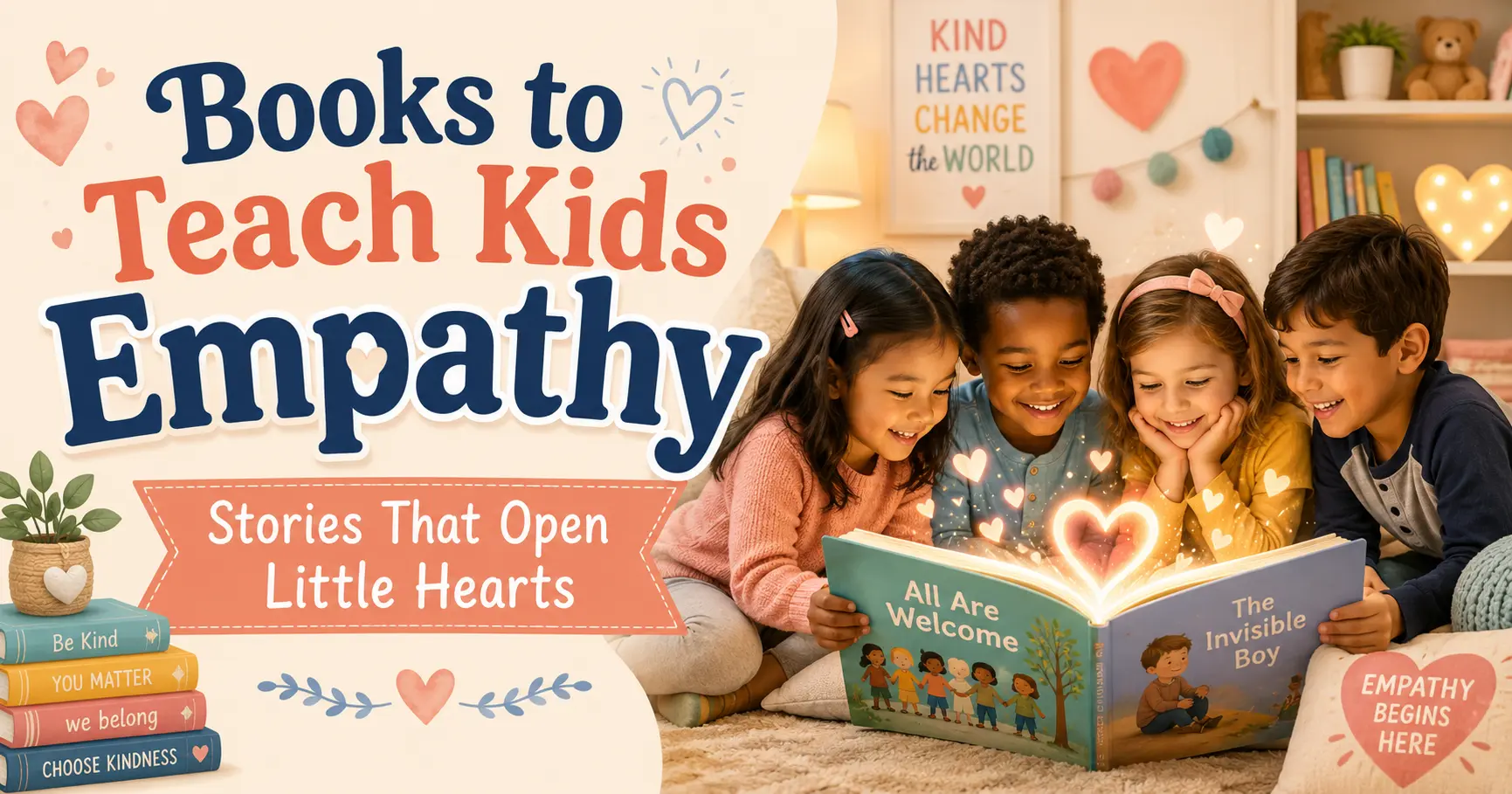
Empathy is one of the most powerful qualities a child can develop. It helps them understand others, build strong friendships, and grow into kind, emotionally aware individuals. But empathy is not something children learn overnight; it grows slowly through experiences, conversations, and most importantly, stories.
One of the easiest and most enjoyable ways to teach empathy is through reading. Stories help children step into someone else’s shoes, feel different emotions, and see the world from new perspectives. That’s why many parents and educators actively look for books to teach kids empathy as part of early learning.
In this blog, we’ll explore how stories shape emotional development, why empathy-focused reading matters, and which types of books help children develop kindness, gratitude, and compassion.
Why Empathy Matters in Early Childhood
Empathy is the ability to understand and share the feelings of others. For children, this skill is essential because it influences how they interact with family, friends, and teachers.
Children who develop empathy early are more likely to:
- Build strong friendships
- Communicate better
- Resolve conflicts peacefully
- Show kindness and respect
Research shows that children’s emotional development is deeply influenced by early reading experiences, especially when stories involve emotions and social situations.
This is exactly why books to teach kids empathy play such an important role in shaping a child’s emotional intelligence.
How Stories Help Children Learn Empathy
Stories are powerful because they allow children to experience emotions in a safe and imaginative way, without facing real-life consequences. When a child reads about a character who feels lonely, happy, confused, or scared, they begin to connect with those emotions on a deeper level. They start to understand that feelings can vary from person to person, and that every situation carries its own emotional weight. This process helps children become more aware of emotions, not just their own, but others’ as well.
Through storytelling, children naturally begin to explore important questions about people and behavior. They learn how others might feel in different situations, why people react the way they do, and how kindness, patience, or understanding can change the outcome of a situation. This emotional connection is what makes books to teach kids empathy so effective. Instead of simply explaining what empathy is, stories bring it to life, allowing children to see, feel, and understand it through meaningful and relatable experiences.
The Role of Reading in Emotional Development
Reading is more than just learning words; it is emotional training for young minds. When children engage with stories regularly, they begin to recognize emotional patterns and social behaviors.
Books help children:
- Identify emotions in others
- Understand the consequences of actions
- Develop compassion and patience
This is also why educators recommend combining storytelling with discussion. Asking questions like “How do you think the character felt?” or “What would you do?” helps deepen emotional understanding. Over time, these experiences shape how children respond to real-life situations.
1. Books to Teach Kids Empathy Through Real-Life Stories
Some of the most powerful books to teach kids empathy are those based on real-life situations or realistic emotions. These stories help children connect directly with everyday experiences like making friends, dealing with sadness, or helping others.
Books like The Invisible Boy and Each Kindness show children the importance of inclusion, kindness, and emotional awareness. They help kids understand what it feels like to be left out and why small actions can make a big difference.
When children read these stories, they naturally begin to reflect on their own behavior and relationships.
2. Books About Gratitude for Kids and Why They Matter
Gratitude and empathy go hand in hand. When children learn to appreciate what they have, they also become more aware of the feelings and needs of others.
That’s why books about gratitude for kids are an important part of emotional learning. These books teach children to recognize kindness, value relationships, and express appreciation in daily life.
Stories that focus on gratitude often encourage children to:
- Say “thank you” more often
- Appreciate small things
- Recognize the efforts of others
When gratitude becomes a habit, empathy naturally grows stronger because children begin to understand the value of kindness in action.
3. Character-Building Books for Children That Shape Values
Books are one of the most powerful tools for shaping a child’s character, especially during their early developmental years. That’s why character-building books for children are highly recommended by both educators and parents. These books go far beyond simple entertainment; they introduce children to essential life values such as honesty, responsibility, courage, and empathy in a way that feels natural and engaging. Through relatable characters and meaningful storylines, children begin to understand how choices impact outcomes and how their actions can affect others.
What makes these stories so effective is that they show, rather than tell. Children see the consequences of actions, the importance of kindness, and the value of honesty and respect unfold within the story. This allows them to connect emotionally and reflect on what they would do in similar situations. When children regularly read character-building books for children, they slowly begin to internalize these lessons and apply them in real life.
Over time, these stories help shape their mindset, guiding them toward becoming thoughtful, responsible, and empathetic individuals.
4. Emotional Learning Through Picture Books
For younger children, picture books are especially powerful when it comes to emotional learning. Bright illustrations combined with simple and engaging storytelling help children understand feelings in a visual and accessible way. Many books to teach kids empathy, designed for younger readers, use expressive characters, colors, and simple dialogue to represent emotions like happiness, sadness, anger, or fear. This makes it easier for children to recognize and connect with these emotions, even if they don’t yet have the words to describe them.
Picture books also make learning interactive and enjoyable. As children follow along with the visuals, they begin to associate facial expressions and situations with real-life emotions. This not only helps them understand their own feelings but also makes them more aware of how others might feel. Because of their simplicity and visual appeal, these books often become a child’s first introduction to empathy. Over time, regularly reading such books to teach kids empathy builds a strong emotional foundation, helping children respond to others with greater understanding and kindness.
5. Stories That Teach Kindness and Friendship
Friendship is one of the first places where children practice empathy. Books that focus on kindness, sharing, and friendship help children understand how to build healthy relationships.
Through these stories, children learn:
- How to include others
- How to resolve conflicts
- How to support friends
These lessons are essential in early childhood development and form the foundation of emotional intelligence.
6. How Parents Can Use Books Effectively
Reading alone is powerful, but guided reading makes it even more meaningful and impactful. When parents actively engage with their child during story time, it turns a simple activity into a deeper learning experience. Using books to teach kids empathy becomes much more effective when children are encouraged to think, reflect, and connect emotionally with what they are reading.
Here are some simple ways parents can make the most of reading time:
Ask Questions During Reading
Asking questions while reading helps children stay engaged and think more deeply about the story. Simple questions like “What do you think will happen next?” or “Why did the character do that?” encourage curiosity and emotional awareness. This makes the reading experience more interactive and helps children connect with the story on a deeper level.
Discuss Character Feelings
Talking about how characters feel is one of the most effective ways to build empathy. Ask questions like, “How do you think the character feels right now?” or “Why do they feel that way?” This helps children recognize emotions and understand different perspectives, which is the core purpose of using books to teach kids empathy.
Relate Stories to Real-Life Situations
Connecting stories to real-life experiences helps children apply what they learn. For example, if a character helps a friend, you can ask, “Have you ever helped someone like that?” This makes empathy more practical and easier to understand beyond the story.
Encourage Children to Share Their Thoughts
Give children the space to express what they think and feel about the story. Ask open-ended questions and listen without judgment. When children share their thoughts, they process emotions more deeply and build confidence in expressing themselves.
7. Building Emotional Intelligence Through Repetition
One story is not enough to build empathy. Children need repeated exposure to emotional themes through different books and situations so they can truly understand and internalize them over time. Each story adds a new layer of learning, helping children see emotions and behaviors from different perspectives.
This is why combining books to teach kids empathy, books about gratitude for kids, and character-building books for children creates a strong foundation for emotional growth. When children repeatedly engage with these themes, empathy becomes a natural part of their thinking and behavior.
Repetition also builds familiarity and confidence. When children encounter similar values across different stories, they begin to recognize patterns in behavior and understand how kindness, gratitude, and empathy apply in real life. Over time, these repeated lessons move from simple understanding to everyday practice, helping children respond to others with genuine care and emotional awareness.
8. Creating a Home Reading Culture
A home that values reading naturally supports emotional development. When children see books as part of daily life, they are more likely to develop strong emotional and social skills.
Parents can:
- Read together daily
- Keep a variety of books at home
- Discuss stories as a family
This creates a positive environment where empathy and gratitude grow naturally.
Final Thoughts
Empathy is not taught in a single lesson; it is built slowly through stories, conversations, and everyday experiences. Books play a powerful role in shaping how children understand emotions and connect with the world around them, making learning both meaningful and enjoyable.
By choosing the right books to teach kids empathy, introducing meaningful books about gratitude for kids, and including character-building books for children in daily reading, parents can guide children toward becoming kind, thoughtful, and emotionally aware individuals. These stories act as gentle teachers, helping children learn values in a natural and engaging way.
What makes this approach truly powerful is consistency. When reading becomes a regular habit, the lessons of empathy, kindness, and gratitude are reinforced over time, shaping how children think and behave. Stories don’t just fill a child’s imagination; they shape their heart, influence their choices, and stay with them long after the book is closed.
Frequently Asked Questions
- What are the best books to teach kids empathy?
The best books to teach kids empathy are stories that focus on emotions, friendship, inclusion, and kindness in relatable situations. These books help children understand how others feel and encourage them to respond with care and compassion.
- Why are books about gratitude for kids important?
Books about gratitude for kids help children appreciate what they have and recognize the kindness of others around them. They also encourage a positive mindset, helping children develop thankfulness as a daily habit.
- How do character-building books for children help development?
Character-building books for children teach essential values like honesty, respect, empathy, and responsibility through meaningful stories. These lessons help children build strong emotional intelligence and develop a solid moral foundation.
- At what age should children start reading empathy-based books?
Children can start reading empathy-based books as early as preschool, especially through picture books that show simple emotions and situations. Early exposure helps them gradually understand feelings and build empathy from a young age.
- How can parents make reading more effective for empathy learning?
Parents can make reading more effective by asking questions, discussing character feelings, and connecting stories to real-life experiences. This approach helps children engage more deeply with books to teach kids empathy and apply those lessons in everyday life.